.jpg)
Spirulina
Nutrient-dense blue-green algae packed with protein, vitamins, and antioxidants.

Ingredient deep-dives, sourced for clarity (not hype).
Top superfoods with complete nutrition, sourcing, and safety information.
Nutrient-dense blue-green algae packed with protein, vitamins, and antioxidants.
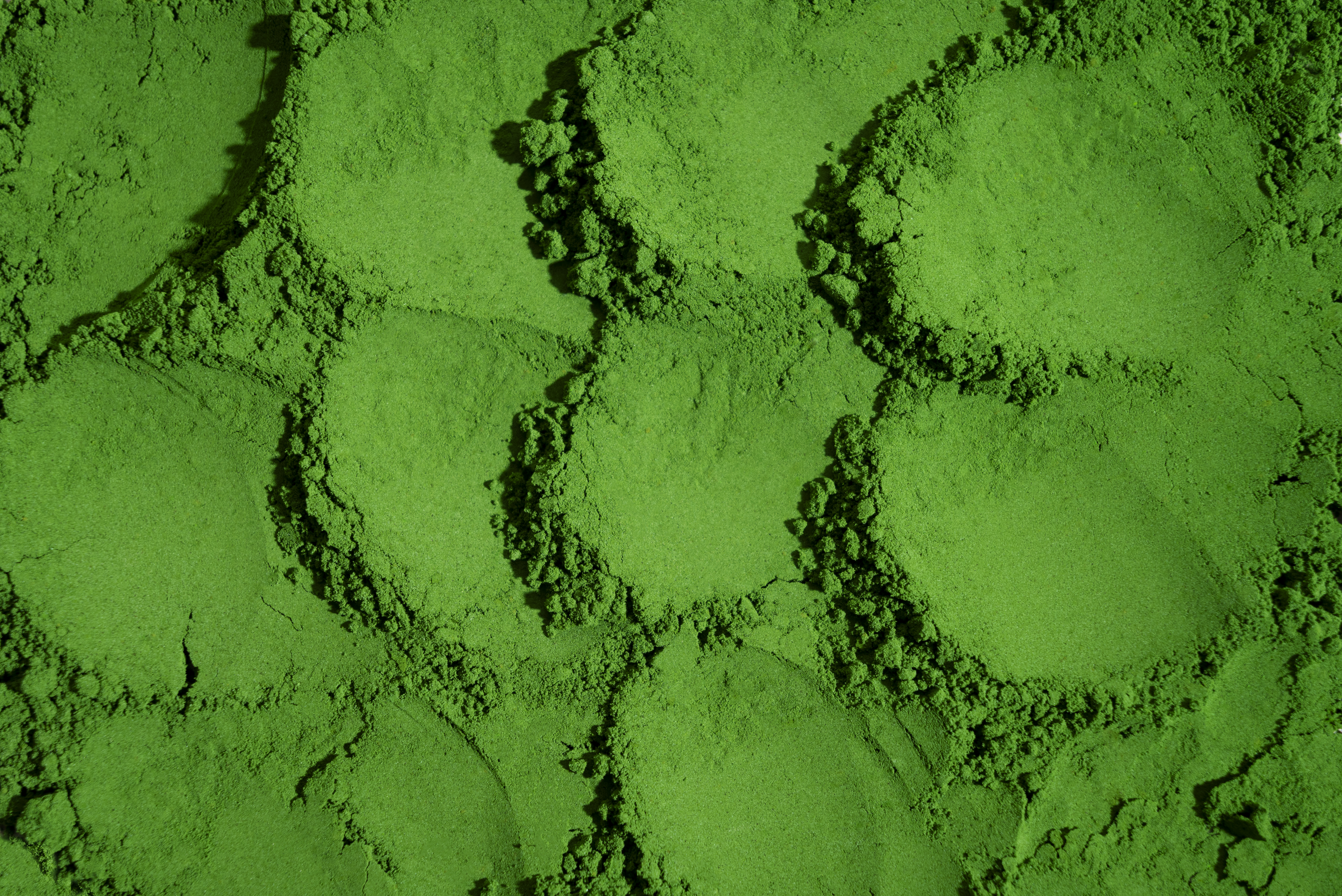
Single-cell green algae with detox support and complete protein profile.
.jpg)
Omega-3 rich seeds with fiber, protein, and versatile kitchen applications.
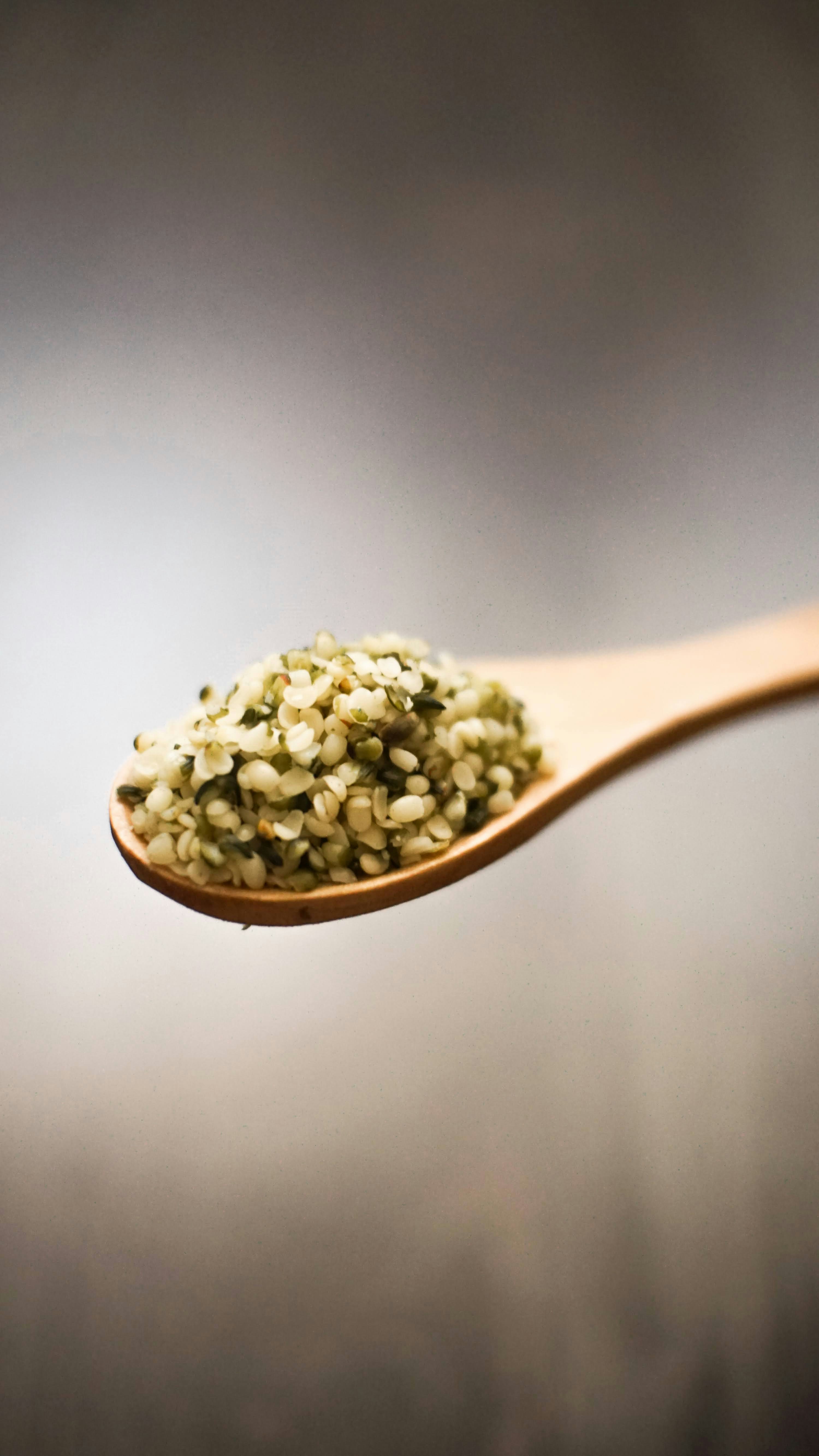
Complete plant protein with omega fatty acids and minerals.
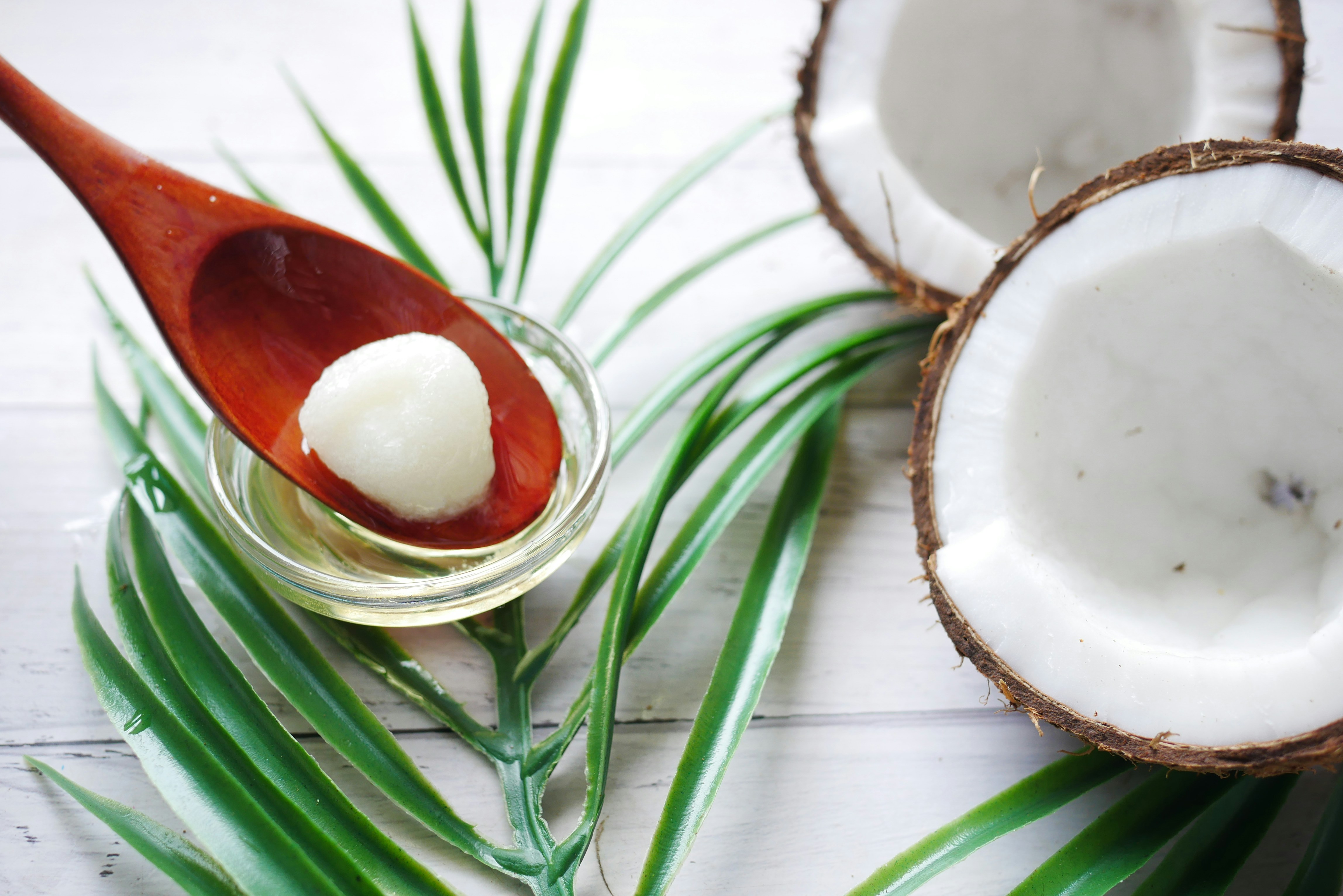
Coconut-based oils for cooking, energy, and wellness support.
.jpg)
Polyphenol-rich cacao with magnesium and antioxidants—superfood chocolate alternative.
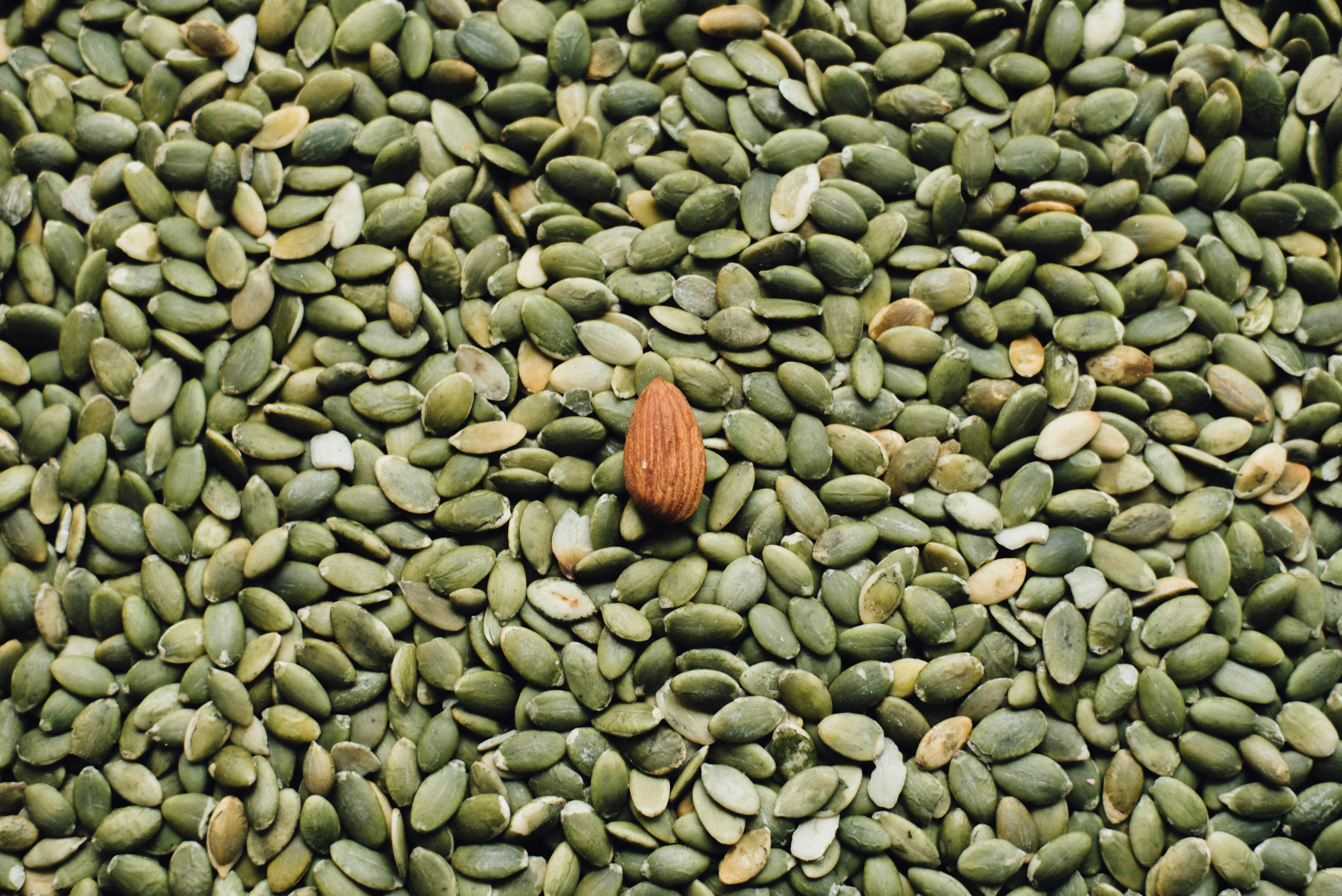
Nutrient-dense seeds rich in zinc, magnesium, and healthy fatsperfect snack or topping.
.jpg)
Omega-3 rich seeds with fiber and lignansground for best absorption.
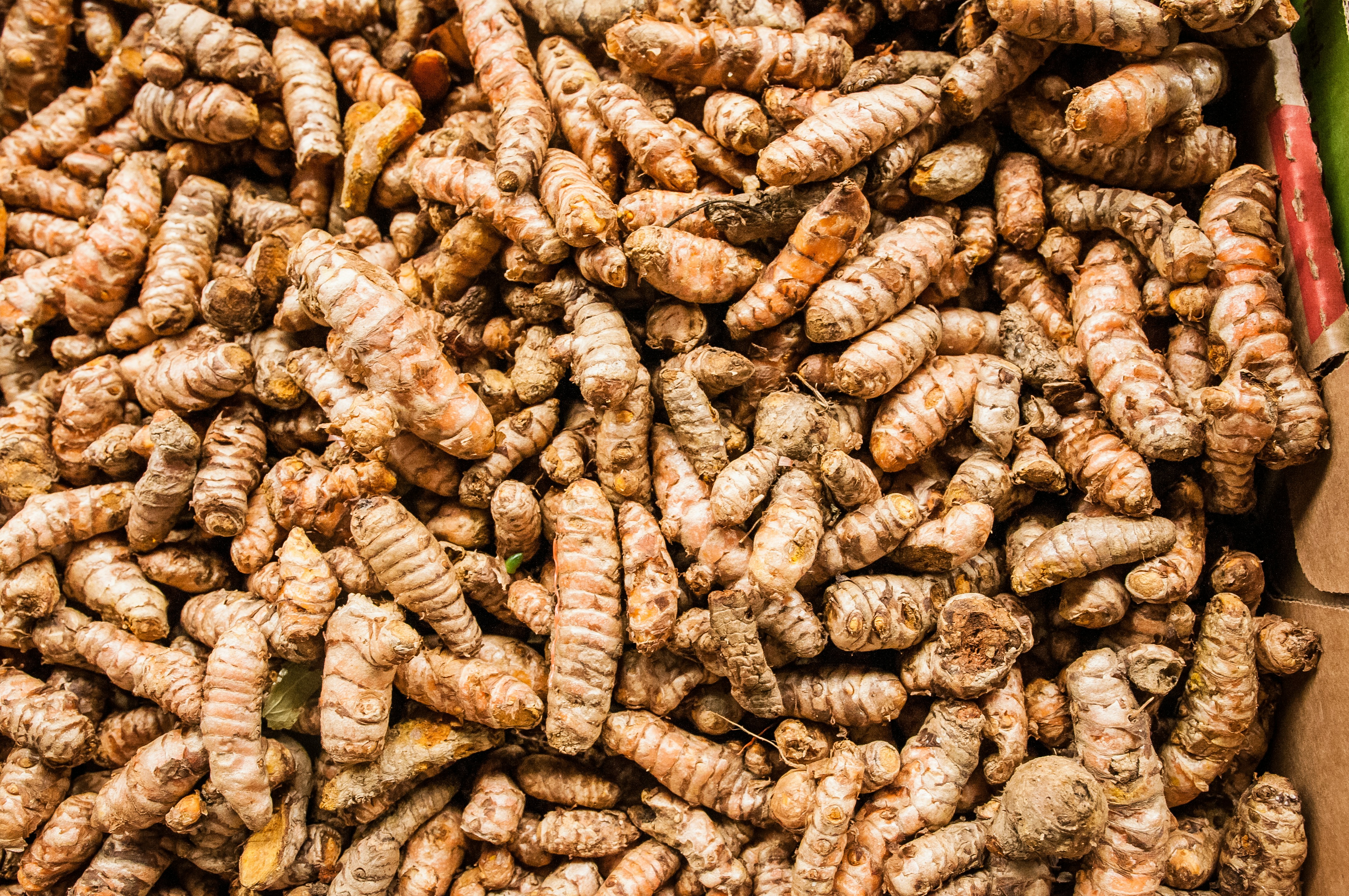
Golden spice with curcumin for inflammation support and antioxidant benefits.
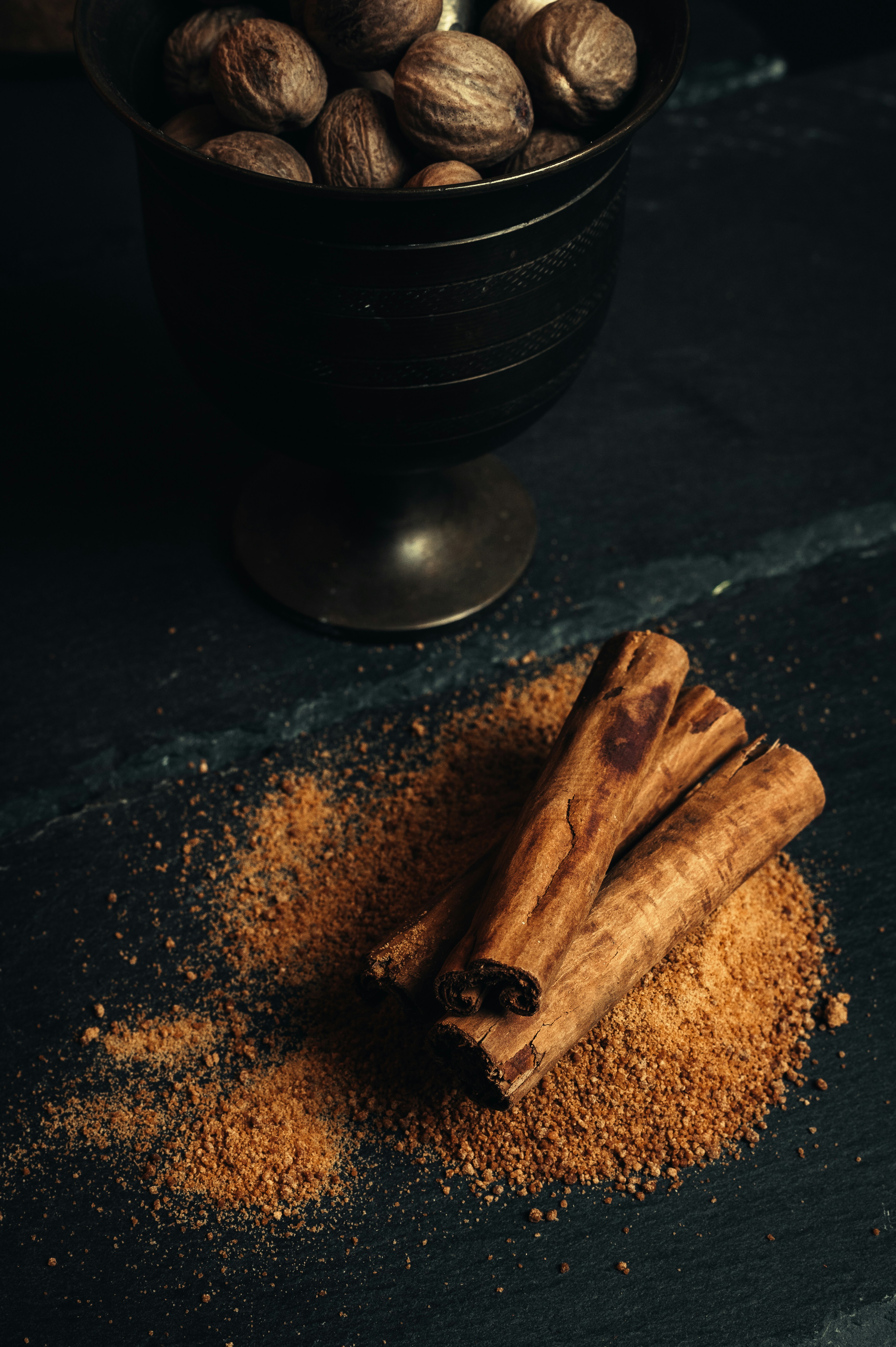
Ceylon or Cassia bark for blood sugar support and antioxidantsspice or supplement.
.webp)
Peruvian adaptogen for energy, hormone balance, and stamina support.

Ancient Ethiopian grain rich in iron, calcium, and complete proteingluten-free flour.
.jpg)
Functional mushroom for cognitive support, focus, and mental clarity.
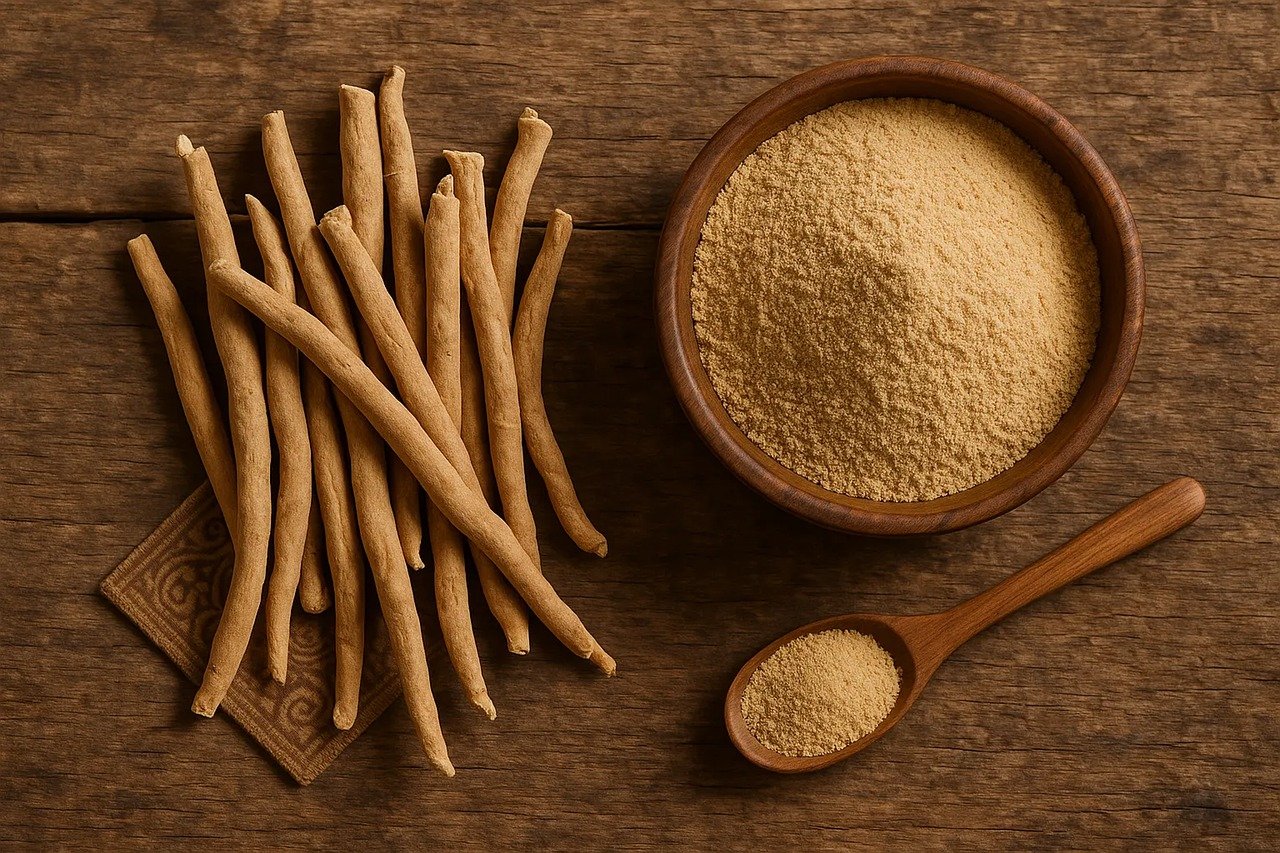
Ayurvedic adaptogen for stress management, sleep, and vitality.

Mineral-rich ocean vegetablesourcing tips, gold vs purple, and quality checklist.

Hydrolyzed protein for skin, joints, and connective tissue support.
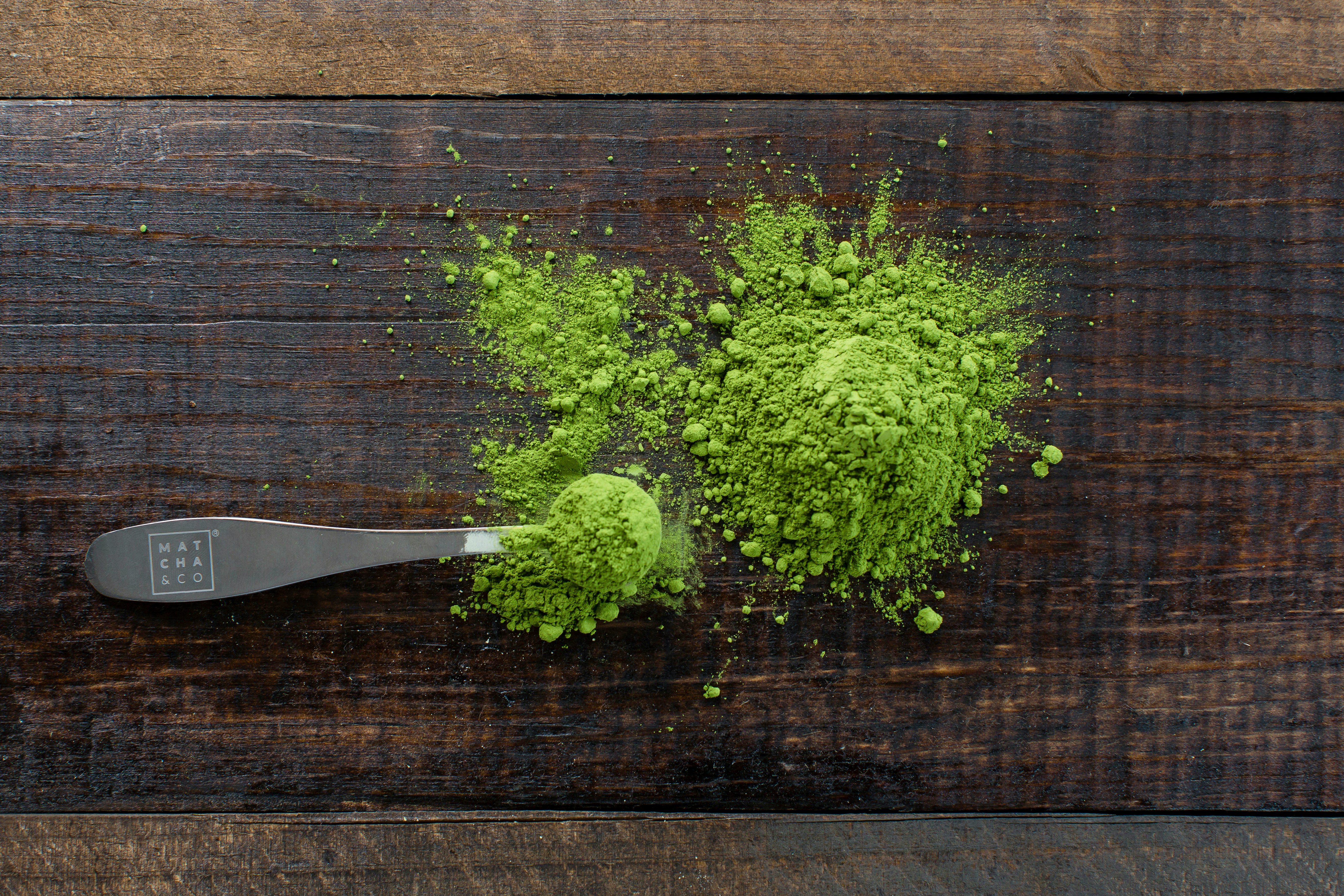
Concentrated green tea powder with L-theanine for calm energy and focus.
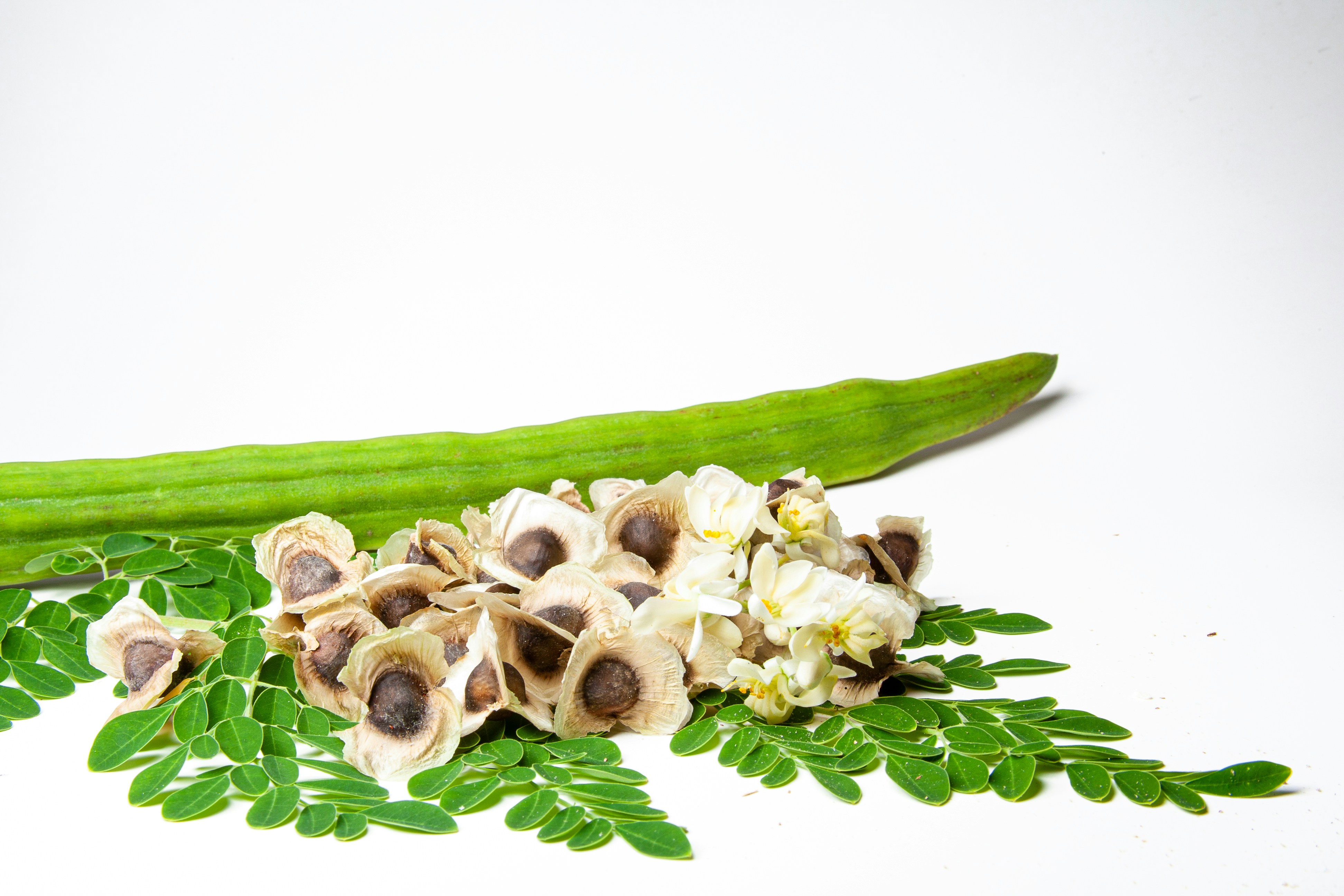
Nutrient-dense leaf powdervitamins, minerals, and traditional wellness uses.
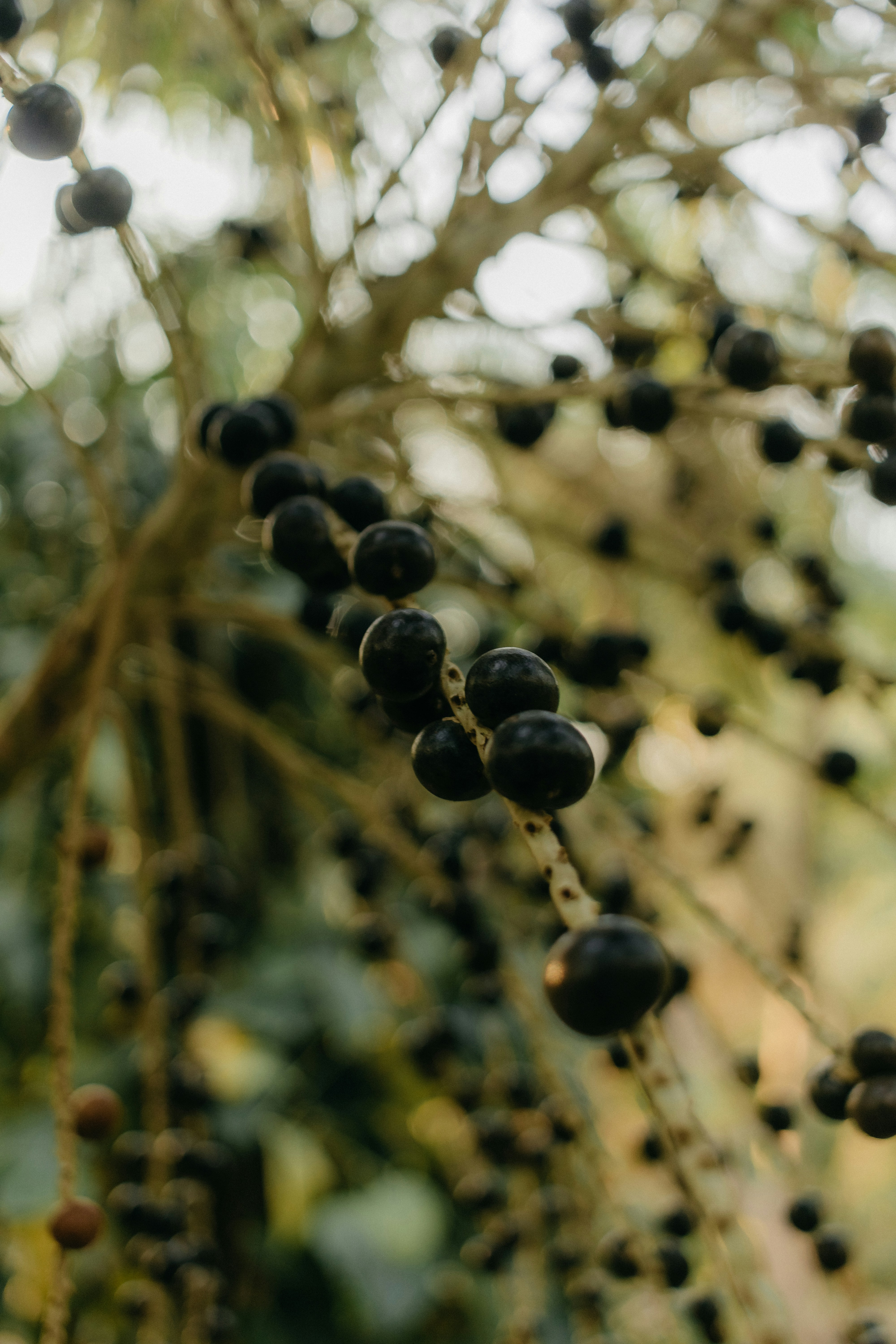
Brazilian superfruit rich in antioxidantspowder and frozen varieties.
.jpg)
Traditional Tibetan berries packed with vitamin C, beta-carotene, and polysaccharides.

Fiber-dense fruit powder with vitamin C and prebiotic benefits—easy smoothie add-in.
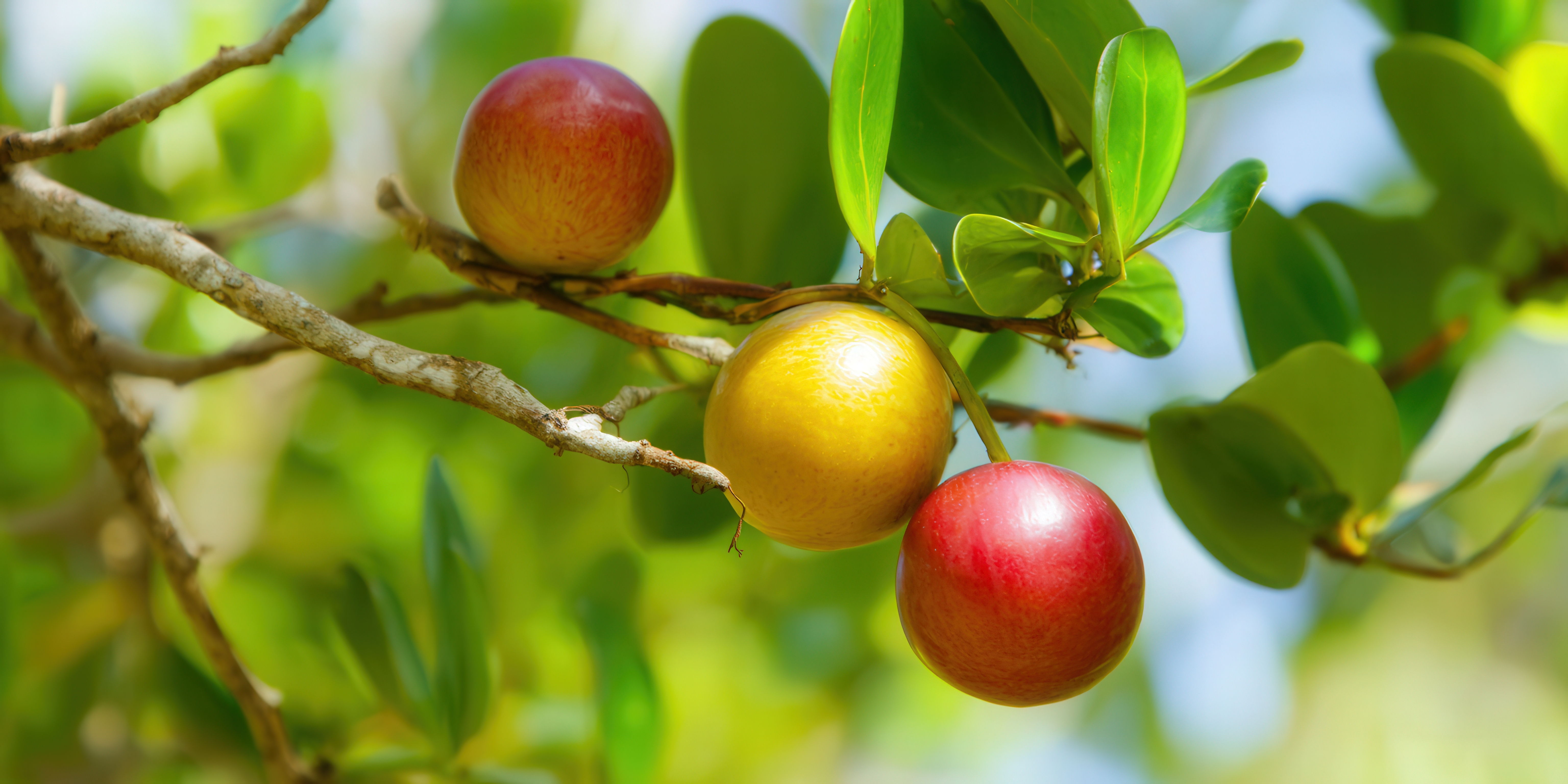
Amazon fruit powder with exceptional vitamin C content—start small for digestion.

Ancient root vegetable with resistant starch and fiber—naturally sweet, allergen-friendly.
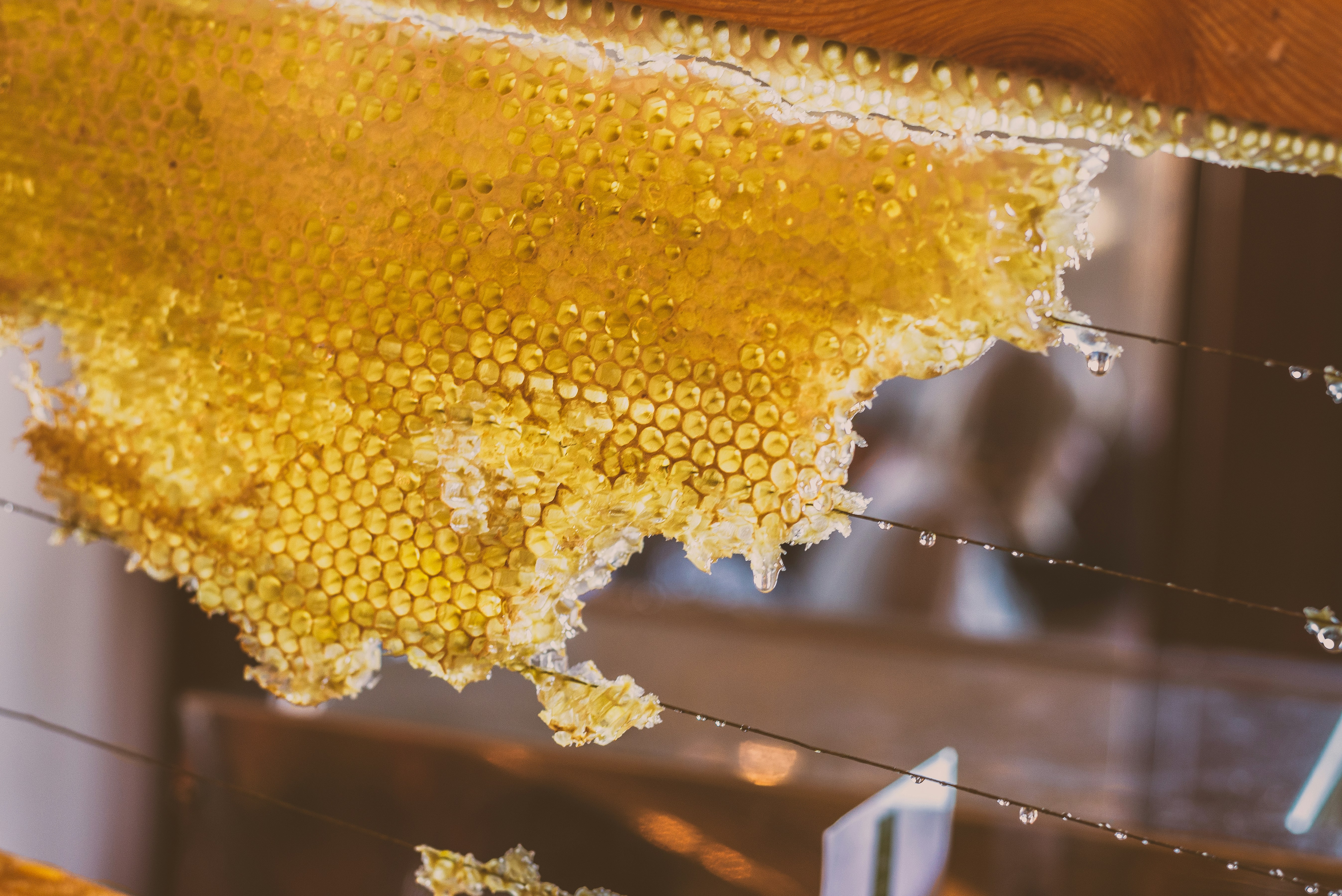
Unprocessed honey with antimicrobial properties and trace minerals—local sourcing matters.
Find guides organized by health goals like fiber, gut health, immunity, energy, cognitive function, and topical skin care.
Explore superfoods organized by their primary health benefits and wellness goals—digestive support, immune function, energy, cognitive health, and topical care.
Fiber, gut microbiome, and digestive wellness
Seasonal wellness and immune resilience
Sustained vitality and physical performance
Mental clarity, focus, and brain health
Nourishment, hydration, and skin wellness
Complete proteins and amino acid support
Traditionally used oils, butters, and botanicals valued for their composition and skin-conditioning properties.
Moroccan oil rich in vitamin E and fatty acids—culinary grade for food, cosmetic grade for skin/hair.
Nutrient-rich African oil with omega fatty acids—used in skincare and as culinary finishing oil.
A traditional Nigella sativa oil used for immune support and respiratory wellness.
A thick external-use oil known for hair growth, skin care, and castor oil packs.
Traditional Jamaican oil from roasted castor beans—rich, dark oil for hair and scalp care.
Desert melon seed oil with omega-6 and vitamin E—used in skincare for hydration.
Hawaiian nut oil with linoleic acid—traditionally used topically for skin hydration.
African fruit oil with antioxidants—primarily used in skincare, some culinary applications.
Amazon rainforest oil rich in behenic acid—primarily used in haircare and skincare.
Amazonian omega-3 rich oil from sacha inchi seeds—nutty finishing oil or supplement.
Pacific island oil traditionally used topically for skin—not typically consumed internally.
Indian butter from kokum fruit seeds—non-greasy moisturizer for skin care.
Tropical butter from mango seed kernels—rich emollient for skin conditioning.
African butter from shea tree nuts—deeply moisturizing for skin and hair care.
Ancient aromatic resin from Boswellia trees—traditional use in spiritual practices and skincare.
Aromatic resin from Commiphora trees—historical use in traditional medicine and skincare.
Mineral-rich resin also used topically in traditional practices—quality and testing matter.
Bee resin with antimicrobial properties—used topically in salves, ointments, and skincare.
Bee secretion also used in skincare formulations for moisturizing and anti-aging properties.
Use these to pick a starting point.
Different extracts can be standardized differently. Choose one, start small, and monitor how you feel.
| Extract | What to check |
|---|---|
| KSM-66 | Standardization, clean label, testing |
| Sensoril | Standardization, dosing guidance, testing |
| Shop adaptogens | |
Maca varies by taste and tolerance. Pick one form you’ll use consistently (smoothies, oatmeal, coffee).
| Type | Notes |
|---|---|
| Yellow | Common starter choice |
| Black | Often chosen by experienced users |
| Shop adaptogens | |
If you already cook, start here: prioritize fresh when possible, or choose clean powders with transparent sourcing. Pairing with fat can help culinary use; if using concentrated extracts, check guidance and interactions.
| Factor | Spirulina | Chlorella |
|---|---|---|
| Best known for | Protein + phycocyanin pigment | Chlorophyll + “greens†variety |
| Common form | Powder / tablets | Tablets (often), powder |
| Selection tip | Prioritize contaminant testing | Look for “cracked cell wall†+ testing |
| Shop link | Shop greens & algae | |
| Mushroom | Common use | Quality checklist |
|---|---|---|
| Lion’s Mane | Focus + cognition routines | Fruiting body extract, beta-glucan info |
| Reishi | Evening calm routines | Dual-extract, clear ratio/standardization |
| Cordyceps | Energy + endurance routines | C. militaris, verified species, testing |
| Shiitake | Culinary + immune polysaccharides | Whole-food or extract, clean label |
| Maitake | Immune & metabolic wellness themes | Fruiting body, beta-glucans stated |
| Shop mushrooms | ||
| Berry | Highlight | Common use |
|---|---|---|
| Blueberries | Anthocyanins | Fresh/frozen, smoothies |
| Goji | Carotenoids (zeaxanthin) | Dried snack, tea |
| Acai | Polyphenols + healthy fats | Frozen pulp, bowls |
| Blackberries | Fiber + vitamin C | Fresh/frozen |
| Elderberries | Seasonal wellness (processed) | Syrup/tea (cooked) |
| Seed | Best for | How to use |
|---|---|---|
| Chia | Fiber + convenience | Pudding, smoothies |
| Hemp | Protein + minerals | Sprinkle, blend |
| Flax | Omega-3 (ALA) + lignans | Use ground, baking |
| Sea veg | Highlight | Note |
|---|---|---|
| Sea Moss | Trace minerals + gels | Mind iodine; source carefully |
| Kelp | Iodine dense | Use modestly |
| Wakame | Milder sea veg | Soups/salads |
| Nori | Convenient sheets | Wraps/snacks |
| Shop sea vegetables | ||
| Ingredient | Key highlight | Best time |
|---|---|---|
| Raw cacao | Polyphenols + magnesium | Any (contains mild stimulants) |
| Matcha | Catechins + L-theanine | Morning/early afternoon |
| Baobab | Fiber + vitamin C | Any |
| Camu camu | Very high vitamin C | Any (start small) |
| Category | Primary benefit | Examples |
|---|---|---|
| Adaptogens | Stress response support | Ashwagandha, Ginseng, Holy Basil |
| Antioxidants | Cellular protection + polyphenols | Acai, Goji, Camu Camu |
| Mineral Superfoods | Trace minerals + electrolytes | Sea Moss, Kelp, Shilajit |
| Shop all categories | ||
Accessible, food-first ingredients that deliver exceptional nutrition per calorie.
Spinach, Kale, Broccoli
Benefits: Micronutrient density, antioxidant support, cellular health.
Uses: Salads, smoothies, steaming, sautéing.
Sweet potatoes, Carrots, Beets
Benefits: Beta-carotene, blood flow support, steady energy.
Uses: Roasting, baking, juicing.
Lentils, Chickpeas, Black beans
Benefits: Fiber, protein, metabolic and gut support.
Uses: Soups, bowls, stews.
Almonds, Walnuts, Macadamia nuts, Pine nuts, Pistachios, Pumpkin seeds, Sunflower seeds
Benefits: Healthy fats, vitamin E, minerals, heart and brain support.
Uses: Snacks, nut butters, toppings, salads.
Eggs, Sardines
Benefits: Bioavailable protein, omega-3s, choline.
Uses: Meals, spreads, breakfasts.
Apples, Oranges, Lemons
Benefits: Fiber, vitamin C, antioxidant support.
Uses: Fresh eating, baking, zest.
Individual pages with nutrition highlights, common uses, sourcing notes, and a quick FAQ.
Deeply pigmented berries valued for polyphenols, fiber, and antioxidant support.

Fruit-based ingredients used in smoothies, teas, and culinary recipes.

A highly adsorptive powder sometimes used occasionally—timing with meds matters.

A gel/juice ingredient where processing and purity make a big difference.

Nutrient-dense staples used as grains or flours for balanced meals and baking.

Traditional leafy greens with protein, iron, and calcium—used in stews and sautés.

Moroccan oil rich in vitamin E and fatty acids—culinary grade for food, cosmetic grade for skin/hair.
Ayurvedic adaptogen for stress management, sleep quality, and vitality.
Fiber-dense fruit powder with vitamin C; easy smoothie add-in.
.jpg)
Traditional African greens dried for teas and soups—distinct from baobab fruit powder.
.jpg)
Nutrient-rich African oil with omega fatty acids—used in skincare and as culinary finishing oil.

Green superfood staples commonly added to smoothies, juices, and capsules.

Brazilian nuts high in protein, fiber, and minerals—sustainable rainforest ingredient.
Bee-derived ingredients often used in small servings for everyday wellness routines.

A vibrant root often used in powders for smoothies and pre-workout style routines.

Deeply pigmented berries valued for polyphenols, fiber, and antioxidant support.

A slow-aged garlic with mellow sweetness—popular in sauces and savory recipes.

A traditional seed/spice used in culinary routines and wellness traditions.

A traditional Nigella sativa oil used for immune support and respiratory wellness.

Deeply pigmented berries valued for polyphenols, fiber, and antioxidant support.

Phycocyanin extract—vibrant blue superfood powder with antioxidant properties.

Nutrient-dense staples used as grains or flours for balanced meals and baking.

Traditional roots used in teas and wellness routines; start small if sensitive.

A blue flower used for teas and color-changing drinks.
Ultra vitamin-C-rich Amazon fruit powder; start small for digestion.

Protein-rich African staple greens with vitamins and minerals—requires thorough cooking.

A thick external-use oil known for hair growth, skin care, and castor oil packs.

Caribbean cleansing tea for blood sugar support—bitter tolerance required, cyclic use.

Protein-dense leafy vegetable from Central America—rich in calcium and iron; cook before eating.
.jpg)
Fiber- and omega-rich seeds used for smoothies, baking, and everyday nutrition.
Algae-based nutrient-dense greens powders used in smoothies and capsules.
.jpg)
Ceylon or Cassia bark used for blood sugar support and antioxidants—spice or supplement form.
Coconut-based powders and oils used for hydration flavor, cooking, and blending.
.jpg)
Coconut-based powders and oils used for hydration flavor, cooking, and blending.
Neutral-tasting protein peptides used in coffee, smoothies, and recipes.

Functional mushrooms commonly used for focus, calm, and daily resilience routines.

Pungent herb (stronger than cilantro) used in Caribbean and Latin American cuisine.

Aromatic leaves used in South Indian cooking—rich in antioxidants and digestive benefits.

Traditional roots used in teas and wellness routines; start small if sensitive.

Sea vegetables used in broths and recipes—portion sizes matter due to iodine.

Deeply pigmented berries valued for polyphenols, fiber, and antioxidant support.

Fermented staples that can add flavor and (sometimes) live cultures to meals.

Traditional Thai rhizome with medicinal properties—used in curries and herbal remedies.
Fiber- and omega-rich seeds used for smoothies, baking, and everyday nutrition.

Aromatherapy and spiritual practices—essential oil must be diluted for topical use.

Aromatic rhizome similar to ginger—used in Thai and Southeast Asian cooking and teas.

Kitchen-root staples used in teas, cooking, and simple daily wellness routines.

A classic adaptogen root used for energy and resilience routines (varies by type).
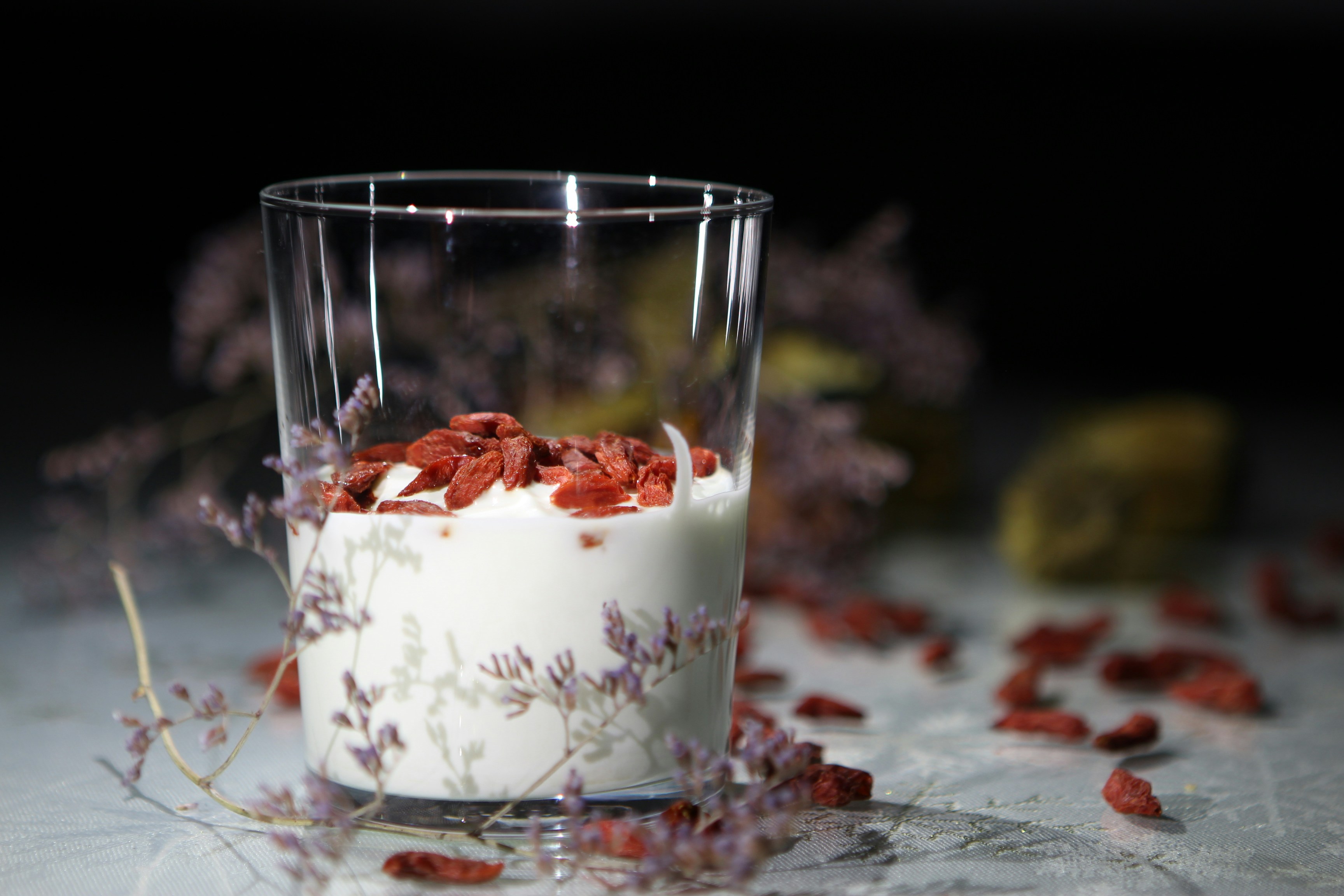
Deeply pigmented berries valued for polyphenols, fiber, and antioxidant support.

Traditional green tea (non-matcha) with polyphenols and adjustable brew strength.

Traditional Caribbean immune herb with garlic aroma—pregnancy and medication warnings.
.jpg)
Fiber- and omega-rich seeds used for smoothies, baking, and everyday nutrition.

Adaptogenic herb used in Ayurveda for stress support—tea, capsules, or fresh in cooking.

Traditional hair and scalp care with roasted bean processing—thick consistency, dark color.

Mucilaginous leafy green with antioxidants and fiber—staple in Middle Eastern cuisine.

Desert melon seed oil with omega-6 and vitamin E—used in skincare for hydration.

Fermented staples that can add flavor and (sometimes) live cultures to meals.

Mineral-rich sea vegetables; mindful iodine intake and sourcing quality matter.

Indian Ayurvedic skin care with non-greasy moisturization—firm texture, authentic sourcing.

Sea vegetables used in broths and recipes—portion sizes matter due to iodine.

Hawaiian nut oil with linoleic acid—traditionally used topically for skin hydration.

Digestive wellness and calming tea with citrus aroma—fresh or dried use.
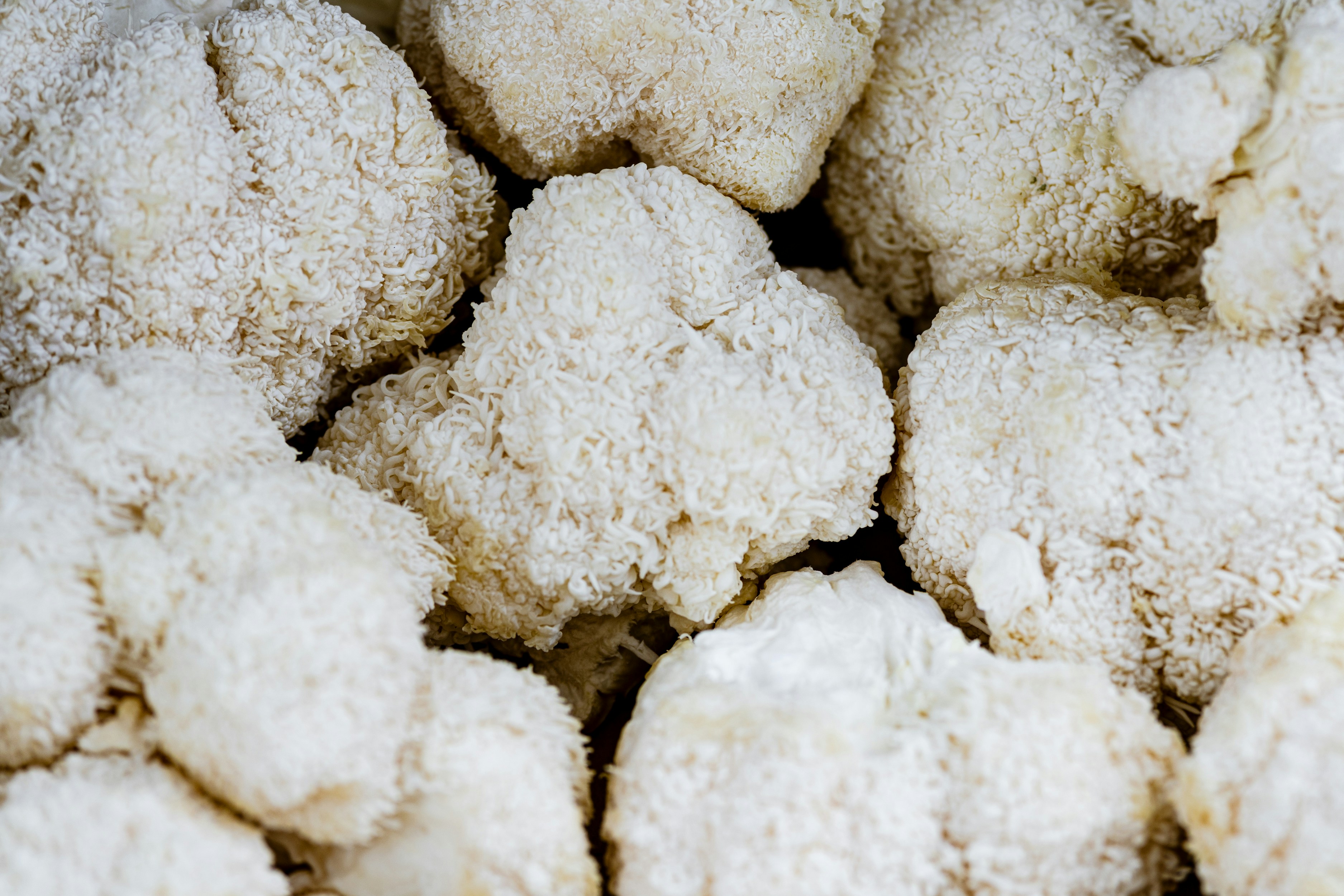
Functional mushrooms commonly used for focus, calm, and daily resilience routines.

Crunchy, fiber-rich Asian vegetable with antioxidants—used in stir-fries and soups.

Fruit-based ingredients used in smoothies, teas, and culinary recipes.
.webp.jpg)
Peruvian root for energy and hormonal balance—gelatinized vs raw, color varieties.

Creamy nuts rich in monounsaturated fats and minerals—premium snack or culinary ingredient.

Functional mushrooms commonly used for focus, calm, and daily resilience routines.

Tropical skin softener and gentle moisturizer—refined vs unrefined, low comedogenic.

Fruit-based ingredients used in smoothies, teas, and culinary recipes.

African fruit oil with antioxidants—primarily used in skincare, some culinary applications.
Shade-grown green tea powder with catechins and L-theanine; contains caffeine.

A naturally sweet, fiber-rich pod flour used in smoothies and baking.
Green superfood staples commonly added to smoothies, juices, and capsules.
.jpg)
Fresh moringa leaves packed with nutrients—used in curries, soups, and smoothies.

Aromatherapy and traditional mouth rinse—essential oil requires dilution, resin vs oil.

Fruit-based ingredients used in smoothies, teas, and culinary recipes.

Mineral-rich sea vegetables; mindful iodine intake and sourcing quality matter.

Buttery Filipino nuts with exceptional healthy fat content—keto-friendly snack or ingredient.

Jamaican warming spice for jerk seasoning and digestive tea—combines cinnamon, clove, nutmeg notes.

Delicate tree nuts used in pesto and Mediterranean cuisine—rich in vitamins and minerals.

A niche botanical powder used in small servings (source and purity matter).

Protein-rich nuts with antioxidants and fiber—versatile snack or culinary ingredient.

Amazon rainforest oil rich in behenic acid—primarily used in haircare and skincare.
.jpg)
Bee-derived ingredients often used in small servings for everyday wellness routines.
.jpg)
Everyday nutrient-dense seeds used as snacks, toppings, and recipe add-ins.

Omega-3-rich succulent green with vitamins A, C—fresh in salads or lightly cooked.

Nutrient-dense staples used as grains or flours for balanced meals and baking.
.jpg)
Polyphenol-rich cacao used for drinks and baking; prioritize clean sourcing.

Functional mushrooms commonly used for focus, calm, and daily resilience routines.

Fruit-based ingredients used in smoothies, teas, and culinary recipes.
Bee-derived ingredients often used in small servings for everyday wellness routines.

A crunchy seed known for healthy fats—often used as a snack or topping.

Amazonian omega-3 rich oil from sacha inchi seeds—nutty finishing oil or supplement.
Mineral-rich sea vegetables; mindful iodine intake and sourcing quality matter.

African skin moisturizer and healing balm—raw unrefined preferred, West African sourcing.

Functional mushrooms commonly used for focus, calm, and daily resilience routines.

A mineral-rich resin used in traditional wellness practices (quality and testing matter).

Japanese herb with omega-3s and antioxidants—used in sushi, salads, and pickles.

Mucilaginous bark used traditionally for soothing digestive discomfort—powder or lozenges.

Caribbean Christmas drink rich in vitamin C—deep red hibiscus tea with tart flavor.

Traditional relaxation tea from Caribbean—moderate use recommended, calming properties.
.jpg)
Algae-based nutrient-dense greens powder used in smoothies and capsules.

Everyday nutrient-dense seeds used as snacks, toppings, and recipe add-ins.

Nutrient-dense leafy greens rich in vitamins A, C, and minerals—sautéed or in soups.

Pacific island oil traditionally used topically for skin—not typically consumed internally.

Fruit-based ingredients used in smoothies, teas, and culinary recipes.

Calcium and vitamin-rich greens used in traditional dishes—must be cooked thoroughly.
Nutrient-dense staples used as grains or flours for balanced meals and baking.
Ancient root vegetable tubers rich in resistant starch and prebiotic fiber—naturally sweet, allergen-friendly.
Kitchen-root staples used in teas, cooking, and simple daily wellness routines.

Kitchen-root staples used in teas, cooking, and simple daily wellness routines.

Mineral-rich sea vegetables; mindful iodine intake and sourcing quality matter.

Green superfood staples commonly added to smoothies, juices, and capsules.

Prebiotic-rich root with low glycemic impact—used fresh, as syrup, or powder for gut health.
SuperFoodSpace focuses on natural, raw wellness education. We also understand that prescription medications are essential for many people.
Natural products do not replace medications. For help managing prescription costs, we provide access to a free prescription savings card.